
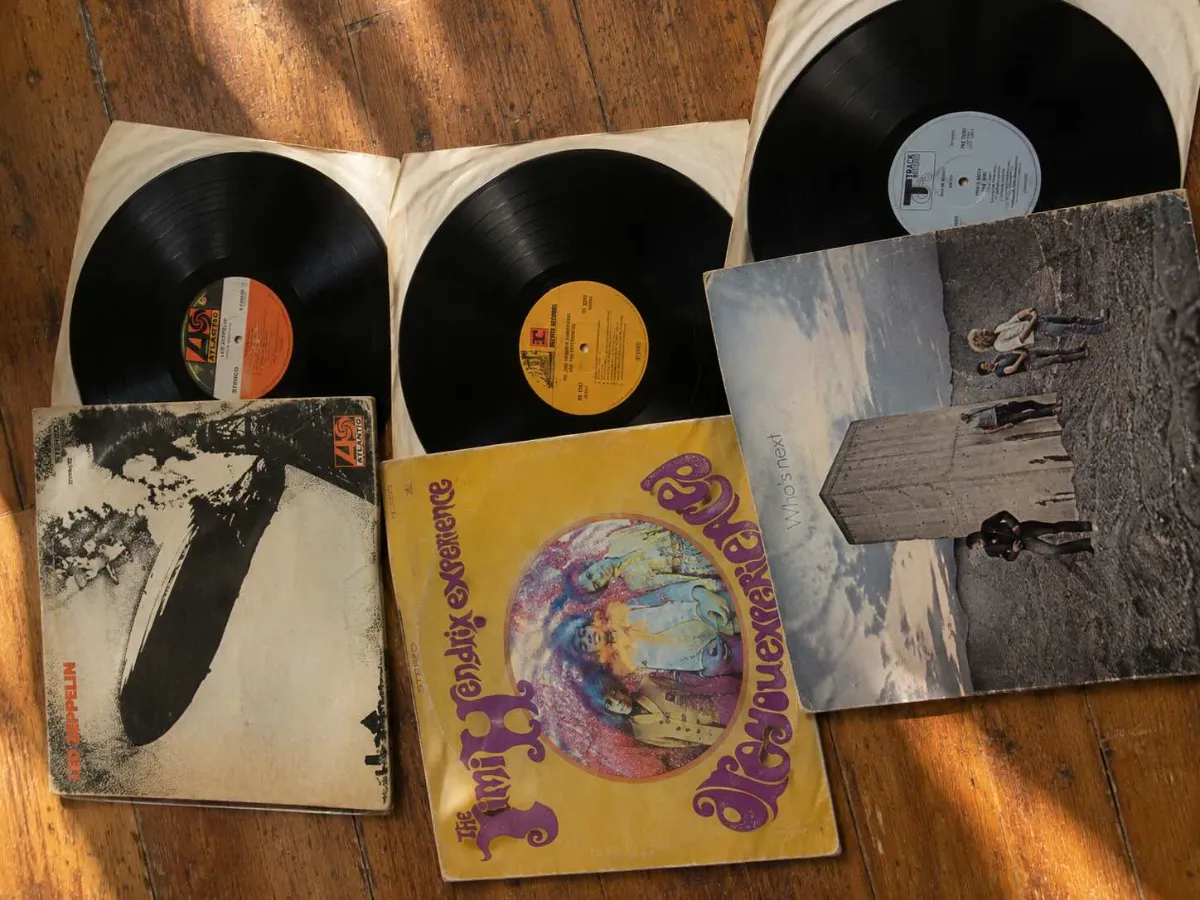
Record label websites have to do more than sit there with a roster page, a few streaming links, and a dusty contact form. They have to carry a point of view. They have to feel like the label behind it—whether that means a lean punk imprint working out of a converted warehouse, a boutique jazz operation with a deep catalog, a metal label with bands scattered across three continents, or an Americana outfit pressing short runs of vinyl for people who still read the liner notes.
That part gets missed all the time.
Independent labels live in a business shaped by fast-moving releases, disappearing social reach, streaming platforms that flatten visual identity, and an audience that can jump from a Bandcamp page to a TikTok clip to a Spotify playlist in less time than it takes to tune a guitar. In that environment, record label websites are not a formality. They are the label’s headquarters—the place where its music, artists, history, releases, merchandise, press, and personality can actually live under one roof.
Proxy Marketing approaches music-industry web design with that reality in mind. Members of our team have worked as session musicians, recording engineers, and rock journalists. We know what it feels like when a release date is closing in, the master is finally approved, somebody is still arguing over the track sequence, and a label needs the site updated before the first reviews land. We also know the difference between a website that merely contains information and one that makes a catalog feel worth exploring.
For independent labels, the website remains one of the few digital spaces that the label actually controls. Algorithms do not decide whether an artist page appears. A platform redesign does not suddenly bury the discography. A social account suspension does not wipe out years of editorial context. The label owns the story, the archive, the structure, and the way new listeners first encounter the music.
The Label Website Is More Than a Digital Press Kit
There was a time when a label’s identity came through in the physical world. The record sleeve. The catalog number. The type on the spine. The design of the inner sleeve. The ads in the back pages of music magazines. A fan could spot certain labels from across a record store.
That identity still matters. It has simply moved into a more complicated environment.
Today, a listener may discover a band through an autoplay recommendation, a music writer’s post, a radio playlist, a YouTube performance, or an artist’s tour announcement. They may not know the label name when they arrive. They may not even realize there is a label involved. But once they land on the site, the label has a brief chance to establish its world.
Good independent record label web design creates that world without getting in the way of the music. It gives the visitor a sense of the roster, the releases, the visual language, and the editorial instincts behind the operation. It tells the story in layers.
A first-time visitor might come looking for one artist. They should be able to find that artist immediately, hear the current release, see upcoming dates, locate merchandise, and connect to the right listening platforms. But the site should also leave room for the next discovery: another band on the roster, a reissue from ten years ago, an in-studio clip, an interview, a tour diary, a label compilation, or a piece of history that makes the catalog feel larger than a product grid.
That is where record label websites separate themselves from generic entertainment sites. A label does not need a homepage that behaves like a corporate brochure. It needs a living editorial and commercial platform that knows when to foreground a new single, when to spotlight a vinyl preorder, when to push a festival appearance, and when to let the back catalog breathe.
The best sites hold both the immediate release cycle and the long arc of the label’s identity.
A Release Cycle Moves Fast. The Website Has to Keep Up.
The release calendar does not wait for a website redesign. Singles drop. Videos premiere. Preorders go live. Tour support gets announced. Review quotes start coming in. A distributor needs updated links. A publicist requests press assets. Then there is a deluxe edition, a surprise digital track, or a vinyl color variant that nobody mentioned in the first production meeting.
The content management side of a label website has to absorb that movement.
A well-built site gives a label the ability to manage releases without turning every update into a technical project. That does not mean throwing everything into a generic content system and hoping for the best. It means building the publishing structure around the actual working habits of a label.
That structure usually includes:
- Artist pages with bios, imagery, social links, music embeds, videos, tour information, and press material
- Release pages for albums, EPs, singles, reissues, box sets, and special editions
- A catalog archive that remains searchable and organized as the label grows
- News and editorial sections for announcements, premieres, features, interviews, and label updates
- Merchandise integration for vinyl, CDs, cassettes, apparel, posters, bundles, and limited-run items
- Mailing-list connections that support preorders, release announcements, and direct communication
- Press and industry pages with downloadable assets, catalog information, and contact details
- Tour and event content that can be updated without rebuilding entire pages
There is no mystery to why this matters. When a site gets stale, the label starts to look inactive—even when the label is doing good work behind the scenes. When pages break, metadata is missing, old links lead nowhere, or the catalog is buried under three layers of navigation, the label loses momentum it already paid to create.
The release itself may be strong. The press campaign may be solid. The artists may be on the road. But the website can still make the whole operation seem half-finished if it does not keep pace.
Proxy Marketing builds the framework with the pressure of that release cycle in mind. Music websites need to be flexible enough for real life. A label staffer should not have to call a developer because an artist changed their Spotify profile, a record sold out, a new review quote came in, or a release date moved by two weeks.
That kind of responsiveness is not a luxury in the music business. It is basic operational discipline.
Record Label Websites Need a Real Catalog, Not a Pile of Posts
Every independent label says its catalog matters. The website should prove it.
A catalog is more than a list of titles. It is a record of taste, relationships, eras, risks, accidents, and decisions that became part of the label’s history. It includes the breakthrough release people still talk about, the overlooked record that found a second life, the out-of-print album fans keep asking about, and the new band that may define the next phase of the roster.
Too many label sites treat the catalog as an afterthought. Releases become old news as soon as the campaign ends. The album page gets buried. The artist bio never changes. Search engines find a few scattered announcements but not the actual record the listener wants.
That weakens both the user experience and the label’s visibility in search.
A durable catalog system gives each release its own home. That page can include release date, format, track listing, producer credits, artwork, purchase links, streaming embeds, video content, artist details, press quotes, related releases, and structured information that helps search engines understand what the page represents.
The details matter because people search in fragments. They search for an album title, a band name, a label name, a vinyl pressing, a release year, a producer, a song title, a catalog number, or a phrase from a review. A strong release page gives those searches somewhere relevant to land.
It also prevents the label from surrendering its own catalog story to third-party platforms.
Streaming services are essential, but they are not archives in the way labels need archives to be. They can change layouts, obscure credits, remove releases, alter artist associations, and limit the way a label presents context. Retail platforms handle transactions, but they rarely communicate the broader identity of the imprint. Social media can create a burst of attention, then bury it in a day.
The label’s own website is where the record remains part of a continuing body of work.
The Visual Side Has to Sound Right
Music branding gets slippery when it tries too hard to look like branding.
A label site does not need to scream. It does not need giant effects, endless animation, or a homepage that takes twenty seconds to reveal the navigation. It needs visual decisions that serve the music and the label’s character.
Some labels need restraint. A serious archival jazz or classical imprint may need a calm, typographic presentation that lets the photography and catalog speak. A garage-rock label might need rough edges, grain, bolder color, and imagery with some sweat on it. An electronic label may need a sharper, more modular visual system that can handle a heavy flow of singles, mixes, remixes, and visual assets.
The point is not to force every artist into one aesthetic. The point is to create a recognizable label environment that gives each artist room to remain themselves.
That balance is harder than it sounds.
A label roster can include radically different projects. One artist may have a cinematic black-and-white visual identity; another may be loud, funny, colorful, and built around live footage. The website has to present both without becoming a visual mess. It needs a system, not a template that makes every artist page look interchangeable.
Proxy Marketing works from the understanding that visual identity in music has always mattered. Album art, logo marks, photography, stage flyers, handbills, press shots, typography, and physical packaging all feed into the way a release is remembered. The website has to extend that world into a form that works on a phone, holds up on a desktop, and still makes sense after the initial campaign is over.
There is a practical side to this too. The site must load quickly. Images need to look strong without dragging down performance. Video needs to support the story without overwhelming the page. Navigation needs to be clear, even if the label’s aesthetic leans raw or unconventional.
A visitor should feel the atmosphere. They should not have to fight the interface to find the record.
Search Visibility Matters Because Discovery Still Matters
The romantic version of the music business says the work will find its audience. Sometimes it does. More often, it needs a clear path.
Search remains a major part of that path. Fans search for artists after hearing a song. Journalists search for bio information, assets, and previous releases. Buyers search for specific formats. Radio programmers search for new music. Booking people search for current information. Collectors search for out-of-print records, variants, and catalog history.
That is why SEO for record label websites is not some separate technical add-on. It is built into the way the site organizes information.
A label website needs more than a clever title tag and a few keywords pasted into an old blog post. Search visibility comes from a complete system: clear site architecture, consistent artist and release pages, useful copy, accurate metadata, technical performance, internal links, image optimization, schema markup, and content that reflects what people actually look for.
A page about a new album should not be a vague announcement that says the record is “out now everywhere.” It should provide enough meaningful information to stand on its own. Who made it? What is it called? When did it arrive? What formats exist? Where can listeners hear it? What is the story behind it? How does it connect to the artist’s previous work or the label’s catalog?
The answer does not have to read like a press release. In fact, it should not. But it needs substance.
Search engines are also increasingly asked questions in conversational language. That changes the importance of clean, factual, well-structured content. If someone asks an AI-powered search engine where to buy a limited vinyl pressing, who released a certain album, or which artists belong to a label’s roster, the information on the label site needs to be clear enough to surface.
Proxy Marketing handles that work without turning a label website into a keyword farm. The writing still has to sound like it came from people who care about music. The page still has to have a pulse. But it also has to be legible to search systems, retailers, fans, journalists, and the people managing the site at 1:00 a.m. before a release goes live.
Content Keeps the Label From Looking Silent
A label can have a beautiful website and still disappear if nothing moves on it.
Content management is where the site becomes an active part of the label’s presence rather than a static archive. That does not mean publishing filler. Music fans can smell filler immediately. They do not need another empty “excited to announce” post with no details and a stock phrase about a “new chapter.”
They want something real.
That may be a track-by-track note from an artist. It may be a short piece about the making of a record. It may be a studio photo set, a tour dispatch, a deep-dive into a reissue, a conversation with the person who designed the album cover, or a piece of writing that ties a current release back to a moment in the label’s history.
Rock journalism taught our team that the best music writing does not simply repeat the information already in a press release. It finds the human current underneath it. Recording experience taught us that records are made through a mix of craft, patience, wrong turns, technical decisions, late nights, and strange moments that become part of the finished sound. Session work teaches you to listen for what belongs and what does not.
That perspective carries into the way Proxy Marketing manages label content.
The site should give a label more material to work with than a social platform can hold. A social post can point somewhere. A strong article, artist page, or release feature gives the audience a reason to stay.
It also creates an expanding body of searchable material around the roster. Over time, that matters. A label with a thoughtful content archive is easier to understand, easier to research, and easier to discover than one whose history exists only in scattered social posts and old platform uploads.
E-Commerce Cannot Feel Like an Afterthought
For many independent labels, physical product remains part of the economic backbone. Vinyl has its own culture, its own audience, and its own complications. Limited pressings move quickly. Color variants can confuse buyers. Preorders require clear timelines. International shipping creates questions. Bundles need to be easy to understand. Sold-out items need to remain documented without frustrating customers.
The online store has to work as part of the record label website, not as an unrelated corner of it.
A fan should be able to move from an artist page to a release page to the product listing without losing the thread. The product pages should make formats clear. The checkout should not create friction. Inventory status should be accurate. Related items should appear naturally. The store should reflect the label’s visual identity without sacrificing basic usability.
That last part is worth saying plainly: a difficult store costs sales.
Nobody wants to dig through a cluttered product grid to figure out whether they are buying a black vinyl edition, a translucent pressing, a test press, a CD, or just a digital download. Nobody wants to find out after checkout that a preorder ships three months later because the information was hidden. And nobody should have to leave the label site, search elsewhere, and come back because the release page did not connect to the actual product.
Proxy Marketing treats e-commerce as part of the release ecosystem. A preorder campaign, a merch drop, a catalog sale, or a reissue announcement needs to connect editorial content, email, search visibility, product architecture, and the fan experience. When those pieces line up, the store feels like part of the label’s world rather than a detached transaction screen.
Why the Website Still Belongs at the Center
The music business keeps adding platforms. Some become essential. Some burn hot and disappear. Some change the rules after a label has spent years building an audience there.
The website remains the place that does not have to chase every platform shift.
It is where a label can publish without character limits, build a catalog without an algorithm deciding its order, sell directly without handing over the entire relationship, and preserve the details that make a body of work meaningful. It can feed social, email, streaming links, press outreach, retail pages, and artist campaigns. It can also outlast them.
That does not make record label websites old-fashioned. It makes them useful.
A good label site has an immediate job—support the next release—but it also has a longer one. It has to accumulate credibility. It has to show that the label is not just dropping tracks into the digital void. It has a catalog. It has taste. It has artists worth spending time with. It has a history and, ideally, some future tension in the air.
Proxy Marketing builds and manages websites for independent labels with an ear for that difference. The finished work needs to look right, run properly, rank where it should, and stay flexible when the next release changes the plan. Most importantly, it needs to feel like it belongs to the music.
Record Label Websites: Reading Between the Liner Notes
What should independent record label websites include?
Proxy Marketing builds record label websites around artist pages, release pages, catalog archives, news, tour details, merchandise, press resources, mailing-list connections, and search-friendly technical structure.
Why do record labels need their own website if they use streaming and social media?
A label website provides a controlled home for its roster, catalog, direct sales, editorial content, and brand identity. Streaming and social platforms support discovery, but they do not replace a label-owned digital archive.
How do record label websites improve music search visibility?
Well-structured artist, release, catalog, and editorial pages give search engines clear information about the label, its artists, releases, formats, and related content. Technical SEO and schema markup strengthen that foundation.
Can a record label website manage vinyl preorders and merchandise?
Yes. Proxy Marketing can integrate e-commerce systems that support vinyl, CDs, cassettes, apparel, bundles, limited editions, preorder messaging, inventory status, and direct purchasing.
What content should a record label publish on its website?
Useful label content includes release announcements, artist features, studio stories, tour updates, video premieres, catalog notes, reissue coverage, interviews, press material, and editorial pieces connected to the roster.